
Atchki Chap: Building intuition and self-trust through cooking
You've been struggling with self-doubt and second-guessing the choices you make. You want to be happy and secure in yourself and your decisions, yet you struggle with the “what if’s.” This can lead to a freeze response and a lack of trust in oneself to make the “correct” choice. Self-trust develops over time through our experiences and the feedback we receive from others. When those experiences include criticism, pressure to “get things right,” or unpredictable outcomes, the brain can learn to question its own signals. Combined with our natural tendency to focus more on past mistakes than successes, this can create a cycle of overthinking and self-doubt that makes trusting our intuition feel far more difficult than it should. One of the best ways to combat self-doubt is to give ourselves opportunities for corrective experiences. Building space for our inner guide to play without judgment. It does not have to be complicated; you can start off small, like cooking!
“Atchki Chap” roughly translates to “measuring with the eye”, a common phrase heard in Armenian households when cooking a meal or making baked goods. I noticed this a lot when I would watch my grandmothers in their kitchens. I would ask how they knew to make a dish equally delicious each time without measuring a single thing. The reply was inevitably “atchki chap.” This was a gift that would be passed down to my mother and my aunts, who perfected their own atchki chap. Cooking without a recipe is an oral and visual tradition born through observation, shared communal knowledge, and hours spent in practice and preparation.
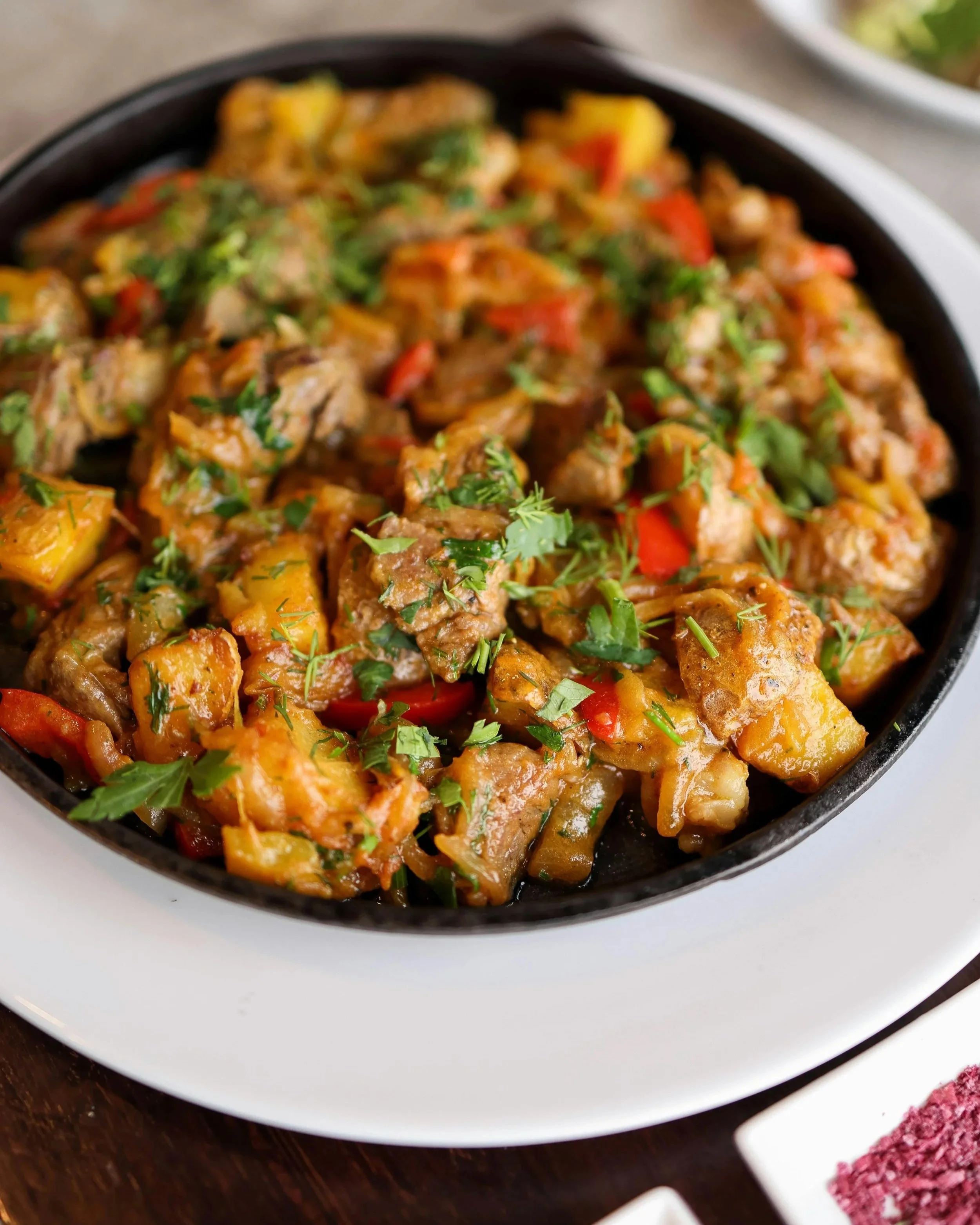
Let's get cooking!
1. Pick a recipe you enjoy and start with intention. (does not have to be complicated):
Recall the dish’s origins, memories, or cultural roots.
Think about its smell, taste, and feeling before you begin.
2. Spend some time getting to know the ingredients:
Pick ingredients that look fresh and vibrant.
Smell spices and herbs to decide what feels right.
Let your eyes and hands guide what seems like “enough.”
3. Be present in the moment and notice how much of each ingredient is added, when, and how long you spend in preparation:
Chop, grind, or mix slowly and mindfully.
Notice the rhythm of the process and stay present with the ingredients.
4. Notice the flavor of the dish and try to identify the flavors and textures of each ingredient:
Add ingredients step by step instead of all at once.
Taste along the way and adjust with small additions.
Watch for changes in aroma, color, and sound while cooking.
Let these cues guide timing and adjustments.
5. Trust your knowledge and adjust:
Taste your dish again and add what feels needed: salt, spice, herbs, etc.
Trust your instincts more each time.
6. Finish with a personal touch. Part of the fun of “atchki chap” is also the ability to make something traditional, yours:
Add a final element that feels personal (fresh herbs, citrus, oil).
7. Reflection:
Take some time to sit with the dish. What did you feel was successful? What areas do you feel you can make changes? Remember that this is an art that is learned through time, it is ok to experiment!
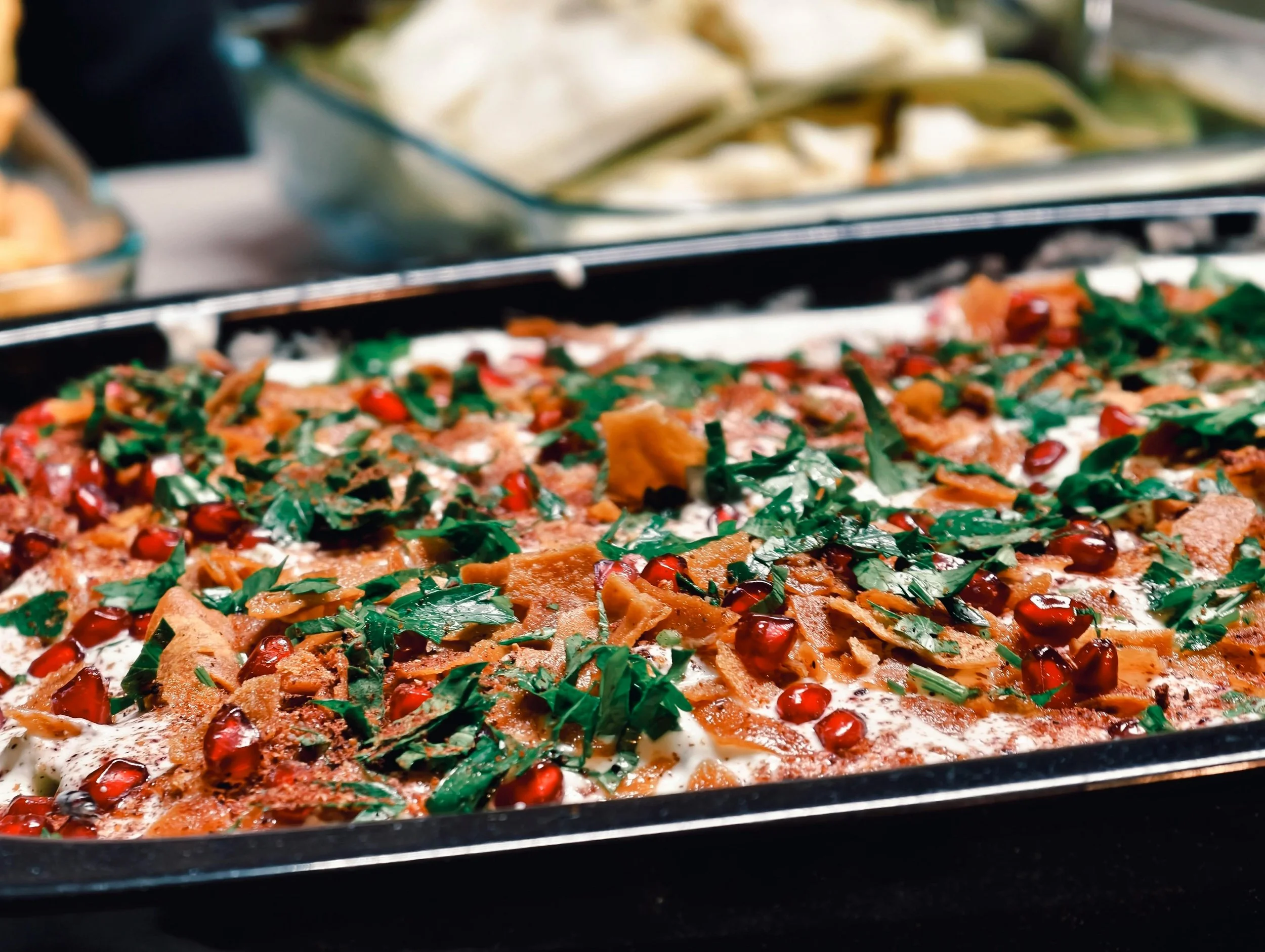
In many ways, “atchki chap” is more than a method of cooking; it is a quiet act of reclamation. It reminds us that knowing does not always come from precision or external validation, but from practice, memory, and trust in ourselves. Each time you cook without rigid measurement, you strengthen your capacity to tolerate uncertainty, listen to your instincts, and move forward without guarantees. Over time, this practice becomes less about the dish itself and more about rebuilding confidence in your own judgment. Like intuition, self-trust is not innate or immediate. It is cultivated by one decision, one adjustment, and one experience at a time.
Written by: Jean Donabedian, AMFT, APCC
Jean (he/they) is a queer, 2nd generation Armenian immigrant Registered Associate Marriage and Family Therapist as well as a Registered Associate Professional Clinical Counseling at Noor Therapy and Wellness who helps BIPOC and LGBTQ+ flox navigate grief, relationship issues, family conflict, body image issues, manage trauma, explore neurodiversity, and life changes.